Mental Health & Suicide
Mental health and suicide has been evident throughout all of history. However, it cannot be argued that it has become much more prevalent in todays society. People are aware much more and active in trying to stop and aid those who are mentally ill just as they would for people that are physically ill. The rate of suicide and mental health rates is rising and the reason behind it is something that we will never fully be able to know. We can guess and we can do social research however the true cause behind the stress of many people today cannot be fully understood and we cannot wholly blame one industry either for something as harrowing as suicide although, they can be as seen as apart of the problem in some instances.
13 Reasons Why
The TV show that was aired on the heavily acclaimed and widely watched streaming service ‘Netflix’ called ’13 reasons why’, follow’s a girl named Hannah Baker who committed suicide for 13 reasons, those 13 reasons being people around her that hurt her, leading her into her own death. The show is based around Hannah Baker leaving behind cassette tapes for all of those who hurt her and showing them their part in her death.
Ultimately, the show is trying to teach a young audience to not be a bad person to other’s because you never know what is going on in their lives AND if people do bad things to you and you’re sad the understandable and sensible outcome is to kill yourself.
To those who are young, vulnerable and suffering with mental illnesss’s, TV show’s such as this that graphically show the method of suicide can be a potential trigger to those at risk according to mental health organisations such as Headspace, an Australian organisation.
The problem with glamourising, romanticising and dramatising suicide is that once you make something tragic like this in Hollywood, more vulnerable people are inclined to follow this without truly understanding the finality of suicide and death.
In the show, the protagonist continues to narrate the story after her death which undermines the totality of suicide. The Suicide Awareness Voices of Education‘s (SAVE) executive director Dan Reidenberg told The Post. “Young people are not that great at separating fiction from reality,” he said. “That gets even harder to do when you’re struggling with suicidal thoughts.” This comes to show that although we all have freedom to express ourselves, something that has such a wide spread audience should have strict policies and ethical guidelines to follow when creating such a controversial show.
Although they have moderate trigger warnings that promote being able to speak to someone (a professional), the whole essence of the show in which it is blaming every body else for her death is not a message that young and vulnerable people should be exposed to. In a society where there is already so much pressure with having a second identity on the media and the constant access in which we have to other peoples lives that can result in people questioning their self worth, TV show’s and lessons learnt pieces of media should be encouraging young people to be strong and to overcome your issues.
A list of guidelines provided by suicide prevention experts and journalists called ‘Recommendations for Reporting on Suicide‘, outlines that over 50 worldwide studies has shown reporting on suicide in certain types of news coverage can increase the likelihood of vulnerable individuals committing suicide, and that describing the method in detail of suicide or glamorising it can increase the likelihood of ‘copy cat’ suicides. This ethical guideline provided however is of journalism reporting on suicide and is not aimed towards entertainment media or social media.
Tumblr
Social media pages such as Tumblr don’t have enough or appropriate censorship for the content that is posted.
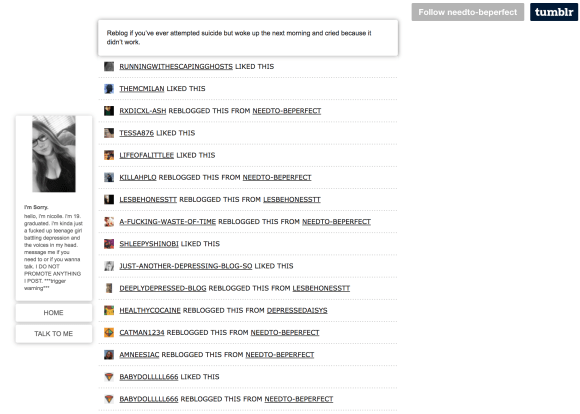
Created in 2007, Tumblr is home to 369.8 million blogs and 153.5 billion posts, with users coming from all around the world. Within Tumblr their is a huge mental illness community were a lot of people repost, reblog and message each other through a small amount of anonymity. Dr. Reinecke, chief psychologist at Northwestern Memorial Hospital say’s that this community on tumblr doesn’t necessarily encourage recovery however promotes things such as self harm and eating disorders through normalising and glamorising these issues. Although ‘reporting guidelines on suicide’ doesn’t really apply to film and social media, tumblr has since gone and put up an are you okay page for trigger words such as suicide and included many help pages.
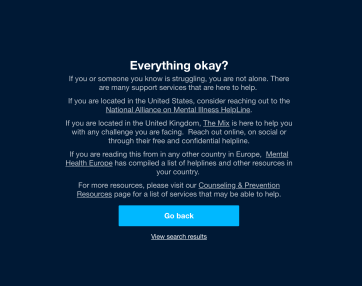
However, although they do put up a help awareness page you are still able to view search results and see unfiltered encouragement of self harm.

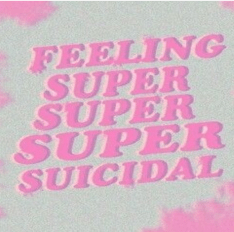
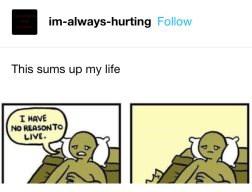
A 14 year old girl that owns one of these blogs called ‘depressions and disorders’ often shares suicidal and self harm posts through her blog. People message her asking for advice and she sometimes urges them to get help through parents or therapist but also provides tips on cutting. She shared her thoughts with Buzzfeed:
“Nobody knows I have this blog. It helps me. Tumblr is powerful because it shows that you’re not alone. You can see that you’re not the only one who’s struggling.
But it’s bad too because my Tumblr dashboard can be really triggering sometimes with all the posts from others.
Like if you self-harm and you see pictures of cuts/scars it can be very triggering. It can make you start self-harming too. It encourages me to cut.”
Overall, mental health is something that effects most of us at one point of our life. However, as people that live in an era of heavy influence via the media it is crucial as practitioners in this massive industry to approach things such as mental health and suicide with much research and follow ethical guidelines. Although guidelines are not legally binding it is important to consider in any line of work the repercussions of unethical reporting or making of media when it comes to issues such as suicide and mental health.
 Hannah Ward